


The marketing industry is undergoing a major transformation. For years, brands relied heavily on third-party cookies, behavioural tracking, and large volumes of customer data to power personalisation. However, growing privacy concerns, stricter regulations, and changing consumer expectations have fundamentally altered how organisations collect and use data.
Today’s consumers want personalised experiences, but they also want greater control over how their information is collected and used. This shift has given rise to one of the most important concepts in modern marketing: Zero-Party Data.
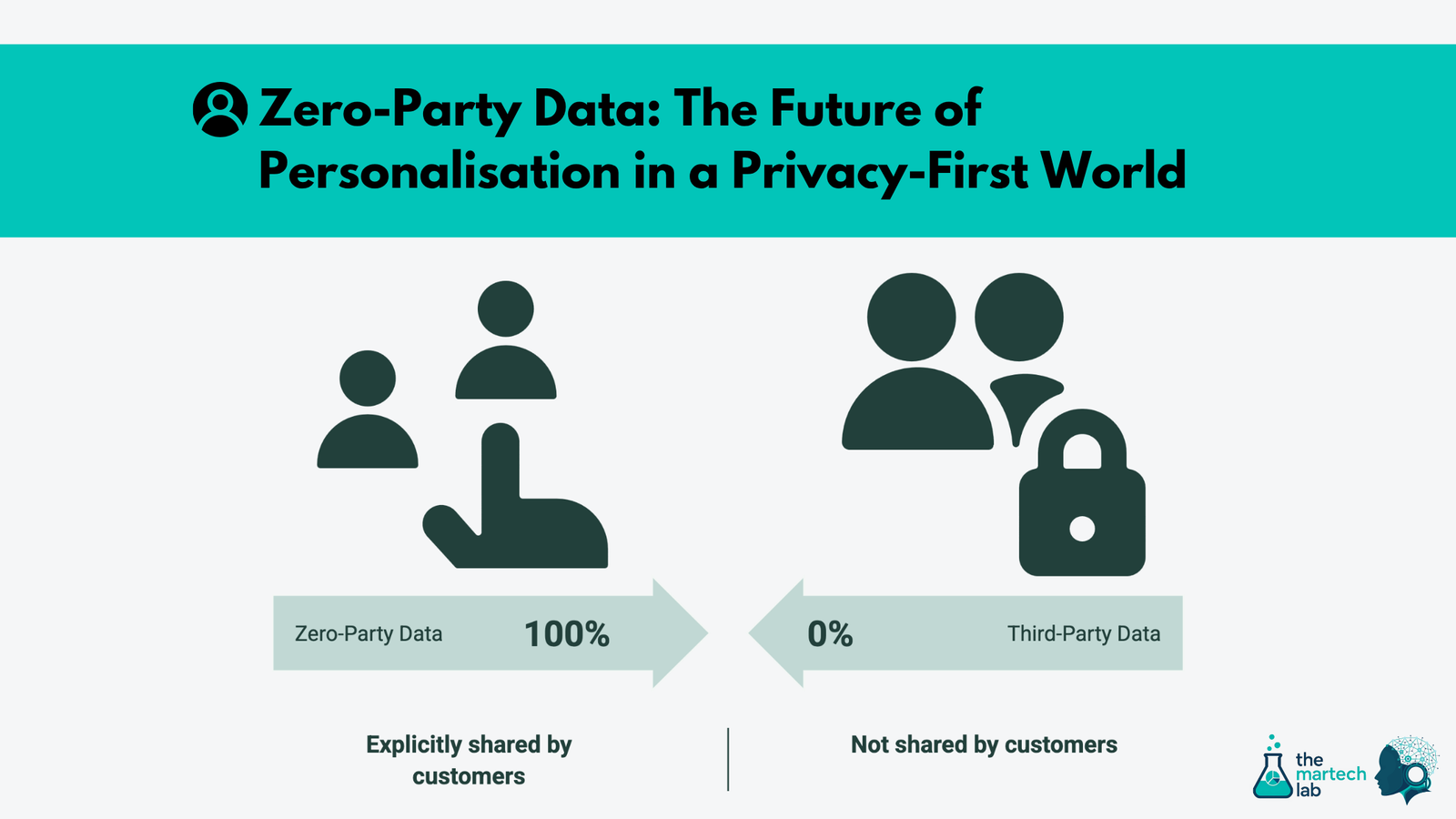
Unlike traditional data collection methods, zero-party data is information that customers intentionally and proactively share with a brand. It represents a more transparent, trust-based approach to customer engagement and is becoming a critical component of future-ready marketing strategies.
As organisations prepare for a cookieless future, zero-party data is emerging as one of the most valuable assets in marketers’ toolkits.
What is Zero-Party Data?
Zero-party data is information that customers voluntarily provide to a brand.
This may include:
- Personal preferences
- Product interests
- Communication preferences
- Goals and motivations
- Purchase intentions
- Lifestyle information
- Content interests
The term was popularised by Forrester and refers to data customers intentionally share because they expect a better and more personalised experience in return.
For example:
When Netflix asks users to select favourite genres during onboarding, the platform is collecting zero-party data.
When Spotify asks listeners about preferred artists or playlists, it is collecting zero-party data.
When an online beauty retailer asks customers to complete a skincare quiz, the responses are considered zero-party data.
The key distinction is that the customer actively provides the information.
Zero-Party Data vs First-Party Data
Many marketers confuse zero-party and first-party data.
Although closely related, they are not the same.
Zero-Party Data
Data that customers intentionally share.
Examples:
- Preference surveys
- Product quizzes
- Favorite categories
- Communication preferences
- Goals and interests
First-Party Data
Data collected from customer behaviour.
Examples:
- Website visits
- Purchase history
- App usage
- Email opens
- Click behavior
Example
A customer selecting “Travel” as a preferred interest during signup is providing zero-party data.
The same customer’s browsing behaviour across travel-related pages generates first-party data.
Both are valuable, but zero-party data often provides more direct insight into customer intent.
Why Traditional Customer Data is Becoming Less Effective
For many years, marketers relied heavily on third-party data.
This approach is becoming increasingly challenging because of:
Privacy Regulations
Frameworks such as:
- GDPR
- CPRA
- DPDP Act
- Other regional privacy laws
have increased consumer protections and limited unrestricted data collection.
Cookie Deprecation
Major browsers have already restricted or eliminated third-party cookies, reducing traditional tracking capabilities.
Consumer Awareness
Modern consumers are more aware of how their data is used and are becoming selective about what they share.
Trust Concerns
Studies consistently show that customers are more likely to engage with brands they trust.
As a result, organisations must move away from opaque tracking methods and embrace transparent, customer-centric data collection strategies.
Why Zero-Party Data Matters
Zero-party data offers several advantages that traditional data sources cannot easily replicate.
1. Better Personalisation
Customers explicitly tell brands what they want.
Instead of guessing customer preferences, marketers gain direct insights that enable highly relevant experiences.
For example:
A travel company can recommend beach destinations to customers who indicate a preference for leisure vacations.
A retailer can showcase specific product categories based on declared interests.
2. Improved Customer Trust
Transparency builds confidence.
Customers know exactly:
- What information is being collected
- Why it is being collected
- How it will be used
This creates a stronger relationship between customers and brands.
3. Higher Marketing Efficiency
When marketers understand customer preferences upfront, campaigns become more targeted.
Benefits include:
- Higher engagement rates
- Better conversion rates
- Lower acquisition costs
- Reduced marketing waste
4. Stronger Compliance Readiness
Because customers voluntarily provide information, zero-party data naturally aligns with privacy-first marketing practices.
Organisations can maintain personalisation while reducing compliance risks.
How Brands Collect Zero-Party Data
The most successful organisations make data collection feel natural and valuable.
Preference Centers
Customers select:
- Interests
- Communication channels
- Topics of interest
- Purchase preferences
Example:
LinkedIn allows users to customise content and notification preferences.
Interactive Quizzes
Quizzes provide value while collecting customer insights.
Examples:
- Skincare assessments
- Financial planning calculators
- Fitness recommendation quizzes
- Style preference assessments
Surveys and Feedback Forms
Simple surveys can uncover customer expectations, satisfaction levels, and interests.
Examples include:
- Product feedback surveys
- NPS programs
- Post-purchase questionnaires
Loyalty Programs
Loyalty programs encourage customers to share preferences in exchange for rewards and personalised experiences.
Account Creation Workflows
Progressive profiling allows organisations to gradually collect information over time rather than requesting everything upfront.
Conversational AI and Chatbots
Modern AI assistants can naturally ask customers about:
- Preferences
- Needs
- Goals
- Interests
The resulting data can power personalised journeys across channels.
Real-World Examples of Zero-Party Data
Spotify
Spotify regularly asks users:
- Preferred artists
- Favorite genres
- Listening preferences
This information helps create personalised playlists such as Discover Weekly and Daily Mix.
Netflix
Netflix uses onboarding preferences and viewing interests to personalise recommendations.
Users explicitly signal interests that improve content discovery.
Sephora
Beauty retailer Sephora uses beauty and skincare quizzes to understand customer goals, skin concerns, and product preferences.
These insights drive personalised product recommendations.
Amazon
Through wishlists, product preferences, subscriptions, and saved interests, Amazon collects signals that enable highly relevant recommendations.
Duolingo
Language-learning platform Duolingo asks users:
- Why they want to learn a language
- Learning goals
- Experience levels
This allows the platform to tailor onboarding experiences and lesson recommendations.
How AI Enhances Zero-Party Data
Collecting zero-party data is only the first step.
The real value comes from activation.
AI helps brands:
Build Rich Customer Profiles
AI combines:
- Zero-party data
- First-party behavior
- Transaction history
- Engagement patterns
to create a deeper understanding of customers.
Power Recommendation Engines
Customer preferences can be transformed into personalised recommendations across websites, apps, email campaigns, and messaging channels.
Predict Customer Needs
AI can identify gaps between:
- What customers say they want
- What customers actually do
This creates opportunities for more relevant and timely engagement.
Enable Real-Time Personalisation
Modern customer engagement platforms can instantly adjust content, products, and offers based on customer preferences.
Common Mistakes Brands Make
Despite its benefits, many organisations struggle with zero-party data initiatives.
Asking for Too Much Information
Long forms reduce participation rates.
Focus on collecting the most valuable information first.
Failing to Explain the Value
Customers need a reason to share information.
Always communicate the benefits of personalisation.
Not Using the Data
Asking customers for preferences but failing to act on them damages trust.
Every collected attribute should contribute to a better customer experience.
Collecting Data Once and Ignoring Updates
Customer preferences evolve.
Regular preference updates keep data accurate and relevant.
The Future of Personalisation is Zero-Party
The future of marketing is shifting from surveillance-based personalisation to consent-based personalisation.
Instead of inferring customer preferences solely through behaviour tracking, organisations are building direct relationships with customers and empowering them to share relevant information voluntarily.
The brands that succeed in the coming years will not necessarily be those that collect the most data.
They will be the brands that build the most trust.
Zero-party data enables organisations to create personalised experiences that are more relevant, more transparent, and more aligned with customer expectations.
As privacy regulations continue to evolve and consumers demand greater control over their information, zero-party data will become a foundational element of customer engagement strategies across industries.
Key Takeaways
- Customers willingly share zero-party data.
- It provides stronger personalisation signals than many traditional sources.
- It improves trust, transparency, and compliance readiness.
- AI helps transform preference data into personalised experiences.
- Zero-party data supports the transition toward a privacy-first and cookieless future.
FAQs
Zero-party data is information that customers intentionally and proactively share with a brand, such as preferences, interests, purchase intentions, and communication choices.
Zero-party data is explicitly provided by customers, while first-party data is collected from customer behaviour such as website visits, purchases, and app interactions.
It improves personalisation, strengthens customer trust, supports privacy compliance, and helps marketers create more relevant experiences.
Examples include:
Product preferences
Survey responses
Preference center selections
Quiz responses
Communication preferences
Customer goals and interest
Brands can use:
Quizzes
Surveys
Preference centers
Loyalty programs
Interactive forms
Conversational AI
Progressive profiling
In many cases, yes. Since customers voluntarily provide the information, zero-party data is often more accurate, trustworthy, and useful for personalisation than third-party data.
Yes. AI can combine zero-party and first-party data to deliver personalised recommendations, customer journeys, predictive insights, and targeted marketing campaigns.
As privacy regulations strengthen and third-party cookies decline, zero-party data is expected to become one of the most important sources of customer intelligence for personalisation and customer engagement.


Leave a Reply