


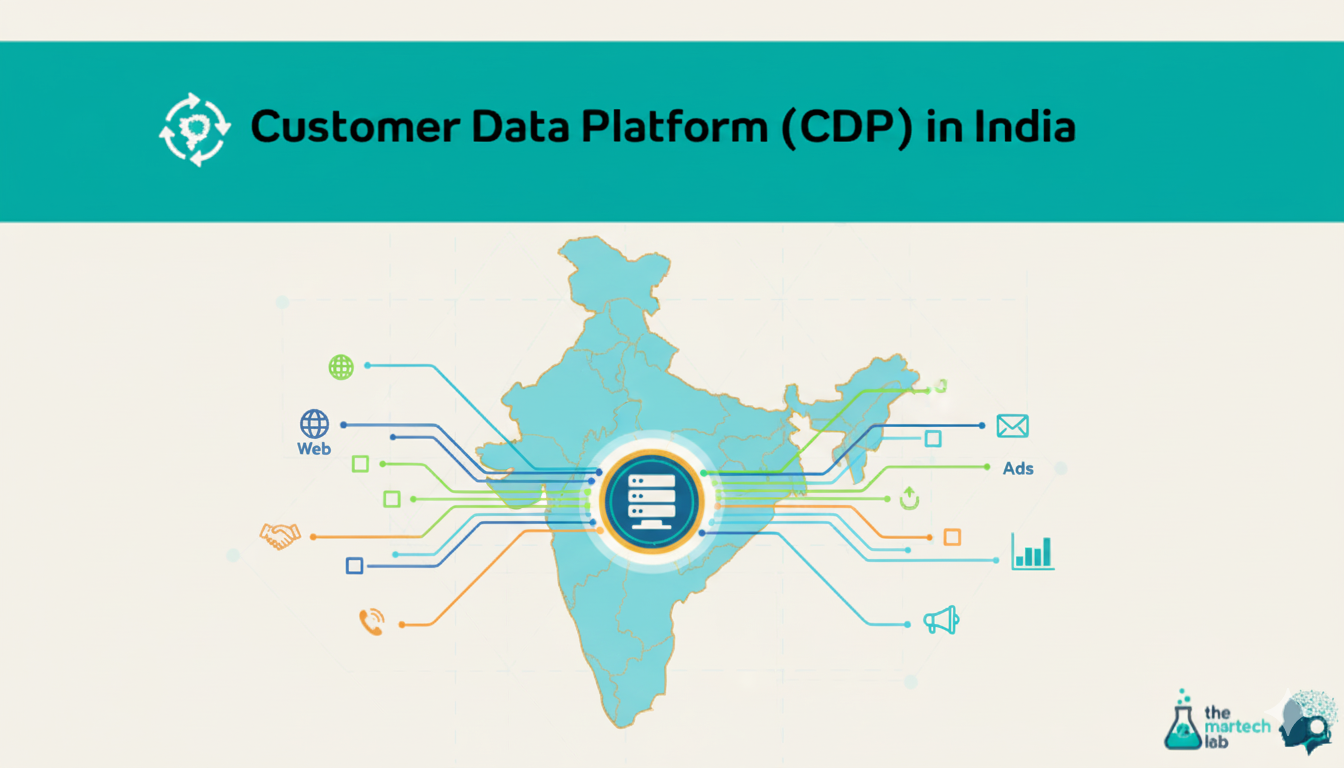
Discover what a Customer Data Platform (CDP) is, how it unifies customer data across channels, and why brands in India are increasingly adopting CDPs to drive personalization, compliance, and marketing ROI.
What is a Customer Data Platform (CDP)?
A Customer Data Platform (CDP) is a centralized system designed to collect, unify, and activate customer data from multiple sources such as your website, mobile app, CRM, and marketing automation tools.
The main goal of a CDP is to help businesses create a single customer view, so every department—from marketing and sales to customer support can access accurate, real-time data about their customers.
In simple terms, a CDP bridges the gap between fragmented data silos and actionable insights.
Why a CDP Matters in Modern Marketing
In most organizations, customer data is scattered across multiple systems CRM, email, analytics, call center, social media, and more. These disconnected silos prevent marketers from understanding the complete customer journey.
A Customer Data Platform brings all this data together, helping businesses:
- Identify a single customer across multiple devices and touchpoints
- Personalize marketing campaigns with real-time segmentation
- Improve cross-channel engagement (Email, WhatsApp, SMS, Ads, etc.)
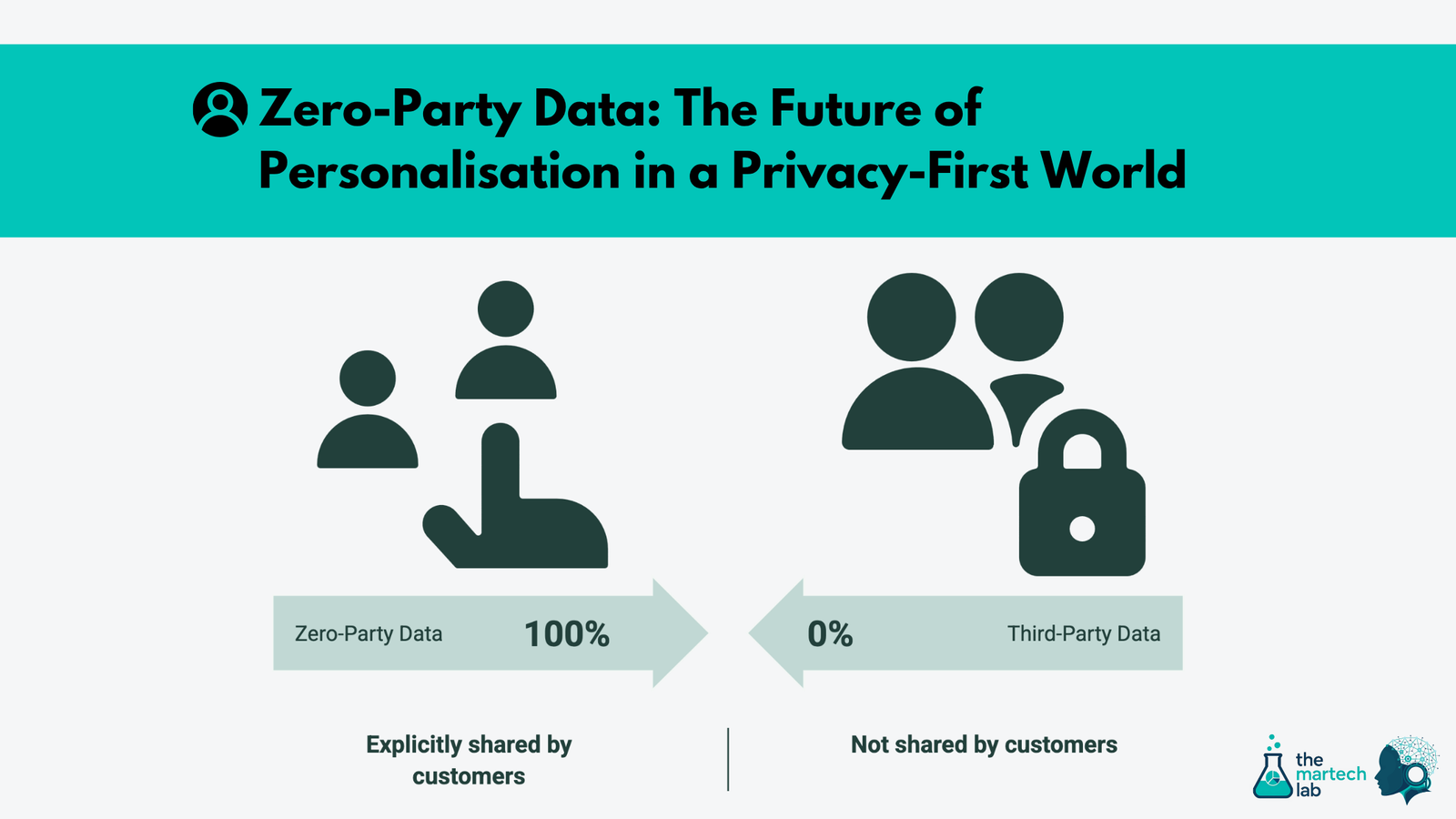
- Strengthen first-party data strategy amid declining third-party cookies
As data privacy regulations like GDPR and India’s DPDP Act tighten, brands are shifting focus to first-party data ownership and that’s exactly where a CDP shines.
Key Features and Capabilities of a CDP
Here are the core capabilities that define a modern CDP:
- Data Ingestion: Collect data from web, app, CRM, ads, and offline channels.
- Identity Resolution: Merge multiple identifiers (email, phone, cookies) into a unified profile.
- Data Normalization: Clean, structure, and store customer data in a consistent format.
- Segmentation & Activation: Create smart segments for campaigns across platforms.
- Real-Time Processing: Enable personalization and automation on the fly.
- Governance & Compliance: Ensure data privacy and consent management.
These capabilities empower marketing teams to use customer data effectively, improving campaign precision and ROI.
Types of Customer Data Platforms
Not all CDPs are built the same. Depending on your tech stack and organizational maturity, you can choose from:
1. Traditional All-in-One CDPs
Turnkey platforms that manage ingestion, unification, and activation end-to-end. Best for mid-size brands looking for faster deployment.
2. Composable or Warehouse-Centric CDPs
Built around your existing data warehouse (like BigQuery, Snowflake, or Redshift). These offer more flexibility and control for enterprises with mature data teams.
3. Hybrid CDPs
Combine elements of both leveraging your warehouse for storage while using CDP layers for activation and audience management.
Business Benefits of Implementing a CDP
Implementing a CDP can transform how your organization manages and utilizes customer data.
Here are the top benefits of a CDP:
- Unified Customer View: Eliminate data silos for complete visibility.
- Personalization at Scale: Deliver tailored messages across multiple touchpoints.
- Marketing Efficiency: Reduce campaign wastage and improve targeting accuracy.
- Faster Campaign Deployment: Reuse clean, unified segments instead of rebuilding data pipelines.
- Data Governance: Stay compliant with evolving privacy and consent laws.
Brands across India are adopting CDPs to enable hyper-personalized experiences in BFSI, e-commerce, real estate, and healthcare sectors.
Challenges in CDP Implementation
While the potential is huge, CDP adoption also comes with challenges:
- Poor data quality and duplication across systems
- Misalignment between marketing and IT teams
- Complex integrations with existing MarTech stack
- Difficulty measuring ROI in early stages
To succeed, businesses must first fix data hygiene issues and define clear use cases before implementation.
How to Get Started with a CDP
If you’re exploring a CDP for your organization, here’s a simple roadmap:
- Audit Your Data Sources: List where customer data currently resides.
- Define Business Goals: Pick high-impact use cases like onboarding personalization or churn prevention.
- Choose the Right CDP Type: Based on your data infrastructure and marketing maturity.
- Align Teams: Bring marketing, analytics, and IT teams together for seamless execution.
- Start Small, Scale Fast: Begin with one use case and expand as you see measurable success.
Final Thoughts
A Customer Data Platform is no longer a luxury it’s a necessity for modern marketers. In a world moving toward data-driven personalization and strict privacy compliance, CDPs help brands deliver connected, contextual, and compliant customer experiences.
When implemented strategically, your CDP becomes the backbone of your marketing technology stack, driving smarter campaigns, higher conversions, and long-term loyalty.
Frequently Asked Questions (FAQ)
A CDP’s core purpose is to unify customer data across multiple channels to enable personalization, analytics, and activation.
CRM systems focus on managing sales and service interactions, while CDPs unify all customer data (online + offline) for marketing and analytics
Popular CDPs in India include Segment, MoEngage, WebEngage, Salesforce Data Cloud, and Netcore Cloud.
Depending on data complexity, CDP setup can take 4–12 weeks for initial rollout.
Yes. Even small brands benefit from CDPs through improved personalization and marketing efficiency, especially with lightweight composable options.


Leave a Reply